Tarasha Dental Clinic: Best Dental Services in Lajpat Nagar

- Home
- About
-
Treatments
CosmeticImplants & Restorative
- Our Doctors
- Blogs
- Gallery
- Contact
General Anaesthesia for Dental Procedures in South Delhi —
Comfortable, Safe & Stress-Free Dental Care
Some patients — children with extensive dental needs, patients with severe anxiety, those with special needs, or anyone requiring complex multi-procedure treatment — benefit significantly from dental care delivered under general anaesthesia. Tarasha Dental Clinic offers this advanced care option, planned and coordinated by AIIMS-trained dental specialists.
What Is General Anaesthesia for Dental Procedures?
General anaesthesia for dental procedures is a medically supervised state of controlled unconsciousness that allows dental treatment to be performed while the patient is completely asleep and unaware. It is used for complex procedures, extensive treatments, paediatric cases, patients with special needs, and those with severe dental anxiety.
What Is General Anaesthesia
in Dentistry?
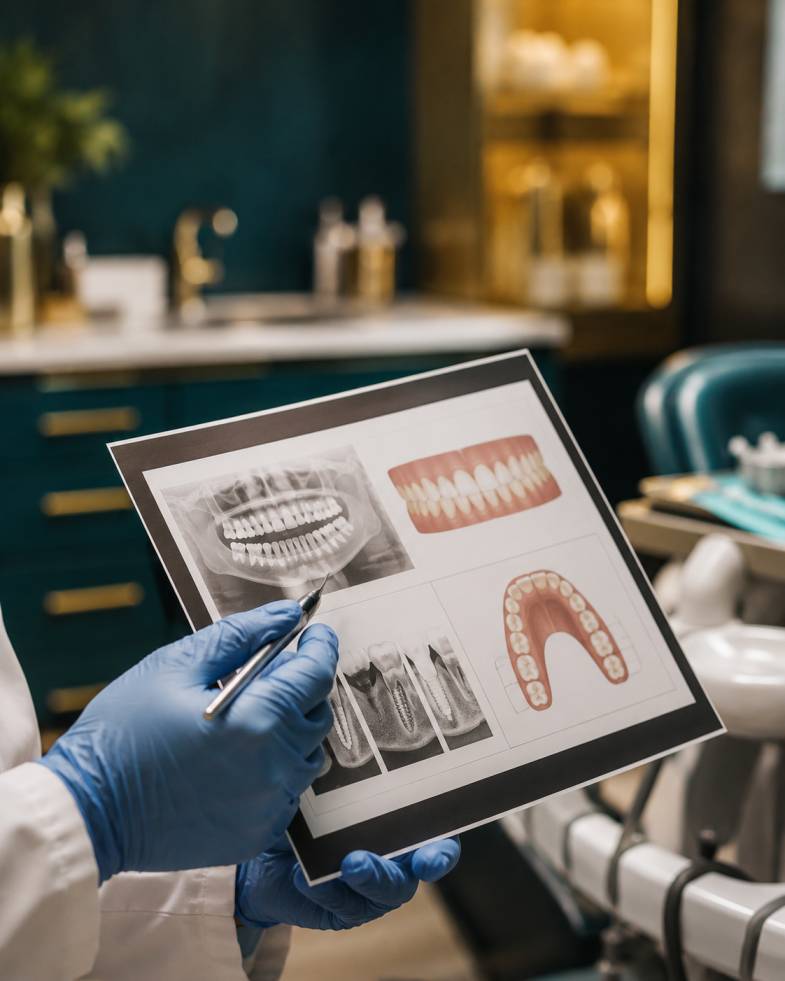
General anaesthesia (GA) in dentistry involves administering medication that induces a controlled state of complete unconsciousness, allowing dental procedures to be carried out without the patient experiencing any awareness, discomfort, or distress during treatment.
This is distinct from local anaesthesia (which numbs a specific area while the patient remains awake) and from conscious sedation (which produces relaxation and reduced awareness while maintaining responsiveness). Under general anaesthesia, the patient is completely asleep.
Complete Sleep During Treatment
The patient has no awareness of the procedure, no perception of sounds or sensations, and no memory of the treatment experience afterwards.
Controlled Medical Environment
GA in a dental setting is administered and monitored by a qualified anaesthesiologist or anaesthetic team — not by the dental team alone — with continuous monitoring of vital signs throughout the procedure.
Comfort for Complex Procedures
For patients who require extensive treatment across multiple teeth, or who are unable to cooperate with conventional dental treatment for any reason, GA allows comprehensive dental work to be completed comfortably, often in fewer visits than would otherwise be possible.
Advanced Patient Care
GA is not a first-line option for every patient — it is carefully considered and recommended only when it represents the most clinically appropriate path for that individual. At Tarasha, this decision is made after thorough assessment by the dental and medical team.
- Patient awareness: None — completely asleep
- Administered by: Qualified anaesthesiologist
- Monitoring: Continuous throughout
- Recovery: Observation period required
- Escort required: Yes — a responsible adult
Who May Benefit from
General Anaesthesia?
General anaesthesia for dental treatment is carefully indicated for specific patient situations where conventional approaches are not suitable or would not allow safe, effective care.
Severe Dental Anxiety
Patients with significant dental phobia for whom even routine treatment causes extreme distress, and for whom conscious sedation alone has not been sufficient.
Young Children
Children requiring extensive dental treatment who are unable to cooperate with conventional care due to age, fear, or the volume of work required. See our dedicated kids dentistry service.
Special Needs Patients
Patients with autism spectrum conditions, developmental conditions, or other medical circumstances that make conventional dental cooperation unsafe or impossible.
Strong Gag Reflex
Patients with an involuntary gag reflex so pronounced that it prevents dental instruments from being used safely or comfortably in the mouth.
Multiple Procedures
Patients requiring extensive restorative work across many teeth, for whom completing treatment in a single GA session reduces overall stress and recovery time.
Complex Oral Rehabilitation
Cases involving full mouth rehabilitation or complex oral surgery where the scope of treatment is too extensive for conventional appointment management.
Dental Procedures That May Be
Performed Under General Anaesthesia
A significant clinical advantage of general anaesthesia is the ability to complete extensive dental work in a single session that would otherwise require multiple appointments over weeks or months.
- 01
Full Mouth Rehabilitation
Comprehensive restorative work across all teeth in both jaws — particularly beneficial when the volume of treatment makes multiple conventional appointments clinically or practically difficult.
- 02
Multiple Dental Extractions
Removal of several teeth in a single session, eliminating the need for multiple surgical appointments and reducing the total number of anaesthetic and recovery episodes.
- 03
Paediatric Dental Procedures
Fillings, extractions, root treatments, and preventive work in children requiring extensive treatment who are unable to cooperate with chair-side care.
- 04
Dental Restorations
Multiple fillings, crowns, or root canal treatments completed comprehensively in a single GA session rather than across many separate visits.
- 05
Complex Oral Surgery
Surgical extractions, bone procedures, and other oral surgery requiring extended operating time where patient cooperation under local anaesthesia alone is not feasible.
- 06
Special Needs Dentistry
Comprehensive dental care for patients with conditions that prevent safe, effective, or humane treatment under conventional techniques — including autism, cerebral palsy, and other developmental conditions.
General Anaesthesia
vs Conscious Sedation
General anaesthesia and conscious sedation are both options for patients who need more than local anaesthesia alone — but they are meaningfully different in their depth, application, and recovery profile.
| Feature | General Anaesthesia | Conscious Sedation |
|---|---|---|
| Level of Awareness | Completely unconscious — no awareness | Relaxed but responsive |
| Patient Comfort | Complete — no perception of treatment | Reduced anxiety; some awareness remains |
| Treatment Complexity | Extensive multi-procedure or complex cases | Moderate cases with cooperative patients |
| Cooperation Required | None — suitable for non-cooperative patients | Some — patient must follow instructions |
| Recovery | Longer — observation period, escort required | Shorter — quicker return to daily activities |
| Suitable Candidates | Children, special needs, severe anxiety, complex cases | Moderate anxiety, cooperative patients |
Neither option is universally superior — both have appropriate clinical applications. Conscious sedation is often adequate for moderately anxious but cooperative patients needing straightforward treatment. General anaesthesia is indicated when the patient cannot cooperate safely, the treatment volume is too extensive, or the clinical situation makes sedation alone insufficient. Your Tarasha specialist will assess and recommend the most appropriate option. Book a consultation ↗
Benefits of Dental Treatment
Under General Anaesthesia
- Stress-free experience — the patient has no awareness of treatment and no memory of the dental experience, eliminating anxiety entirely
- Comfort during treatment — no perception of sounds, sensations, or duration during the procedure
- Multiple procedures in fewer visits — extensive treatment that might otherwise require 6–12 appointments can often be completed in a single session
- Improved patient cooperation — children and special needs patients who cannot cooperate conventionally receive the care they need safely and effectively
- Better treatment efficiency — the dental team can work uninterrupted, completing work more precisely than is possible in a series of short appointments
- Reduced overall anxiety burden — completing all necessary treatment in one session eliminates the cumulative anxiety of multiple conventional dental visits
Safety Measures During
General Anaesthesia
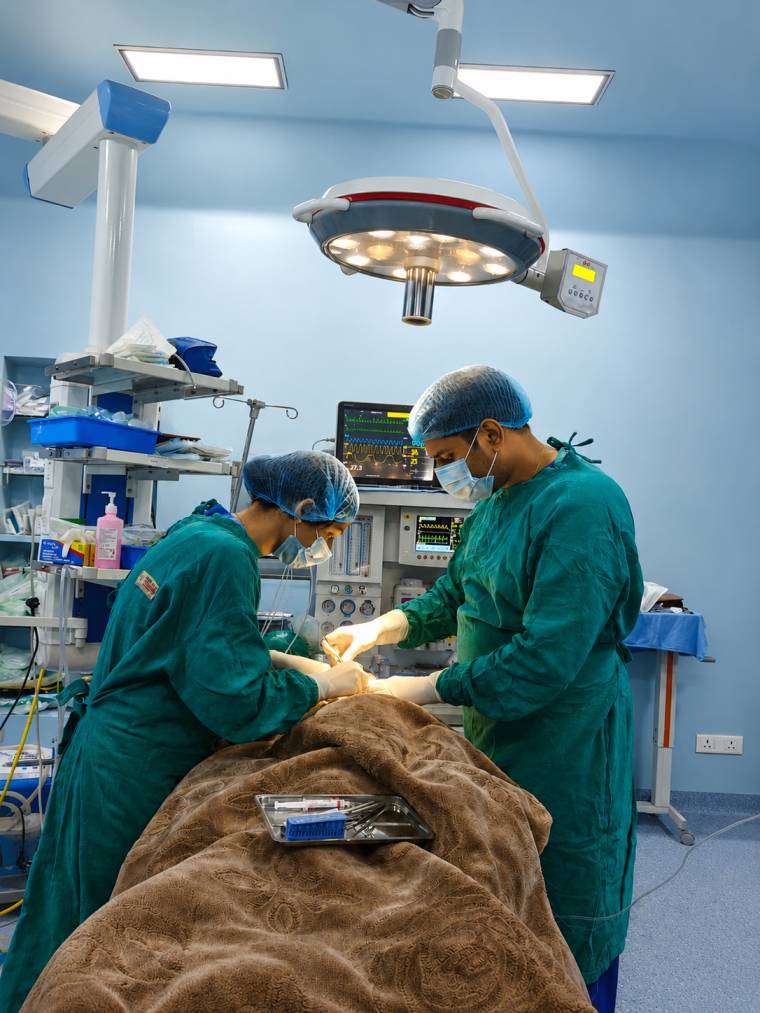
General anaesthesia is a significant medical procedure that carries inherent risks, as it does in any medical or surgical context. At Tarasha Dental Clinic, patient safety at every stage of a GA dental case is taken with the seriousness it deserves.
Pre-Treatment Assessment
Every patient undergoes a thorough pre-anaesthetic assessment, including medical history review, current medications, allergies, and relevant investigations before any GA is planned.
Medical Evaluation
Patients with significant medical conditions are reviewed by the appropriate medical specialists before GA is approved, ensuring fitness for the procedure.
Qualified Anaesthesia Team
General anaesthesia is administered and managed by a qualified anaesthesiologist — a separate medical specialist distinct from the dental team performing the procedure.
Continuous Monitoring
Vital signs — oxygen saturation, heart rate, blood pressure, end-tidal CO₂, and ECG — are monitored continuously throughout the procedure by the anaesthetic team.
Emergency Preparedness
Full resuscitation equipment and emergency protocols are in place at every GA dental procedure, as per standard medical practice for any anaesthetic case.
Patient Safety Protocols
Fasting instructions, consent documentation, post-procedure escort requirements, and written aftercare instructions are all standard parts of the GA dental care pathway at Tarasha.
“General anaesthesia is not something we take lightly — nor do our patients. Every GA dental case at Tarasha is assessed individually, with patient safety as the non-negotiable foundation of every decision.”
— Tarasha Dental Clinic, Clinical TeamGeneral Anaesthesia
for Children
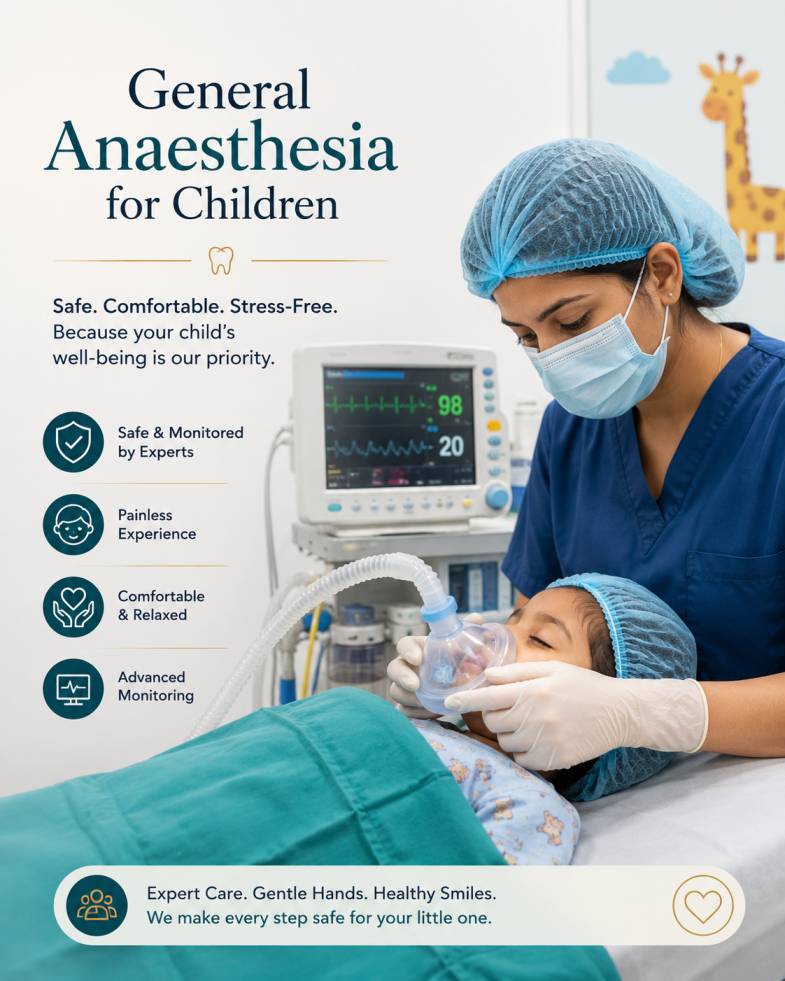
Children sometimes require extensive dental treatment — multiple cavities, early childhood caries, extractions, or restorative work — that cannot be completed safely or effectively in a conventional chair-side setting due to age, fear, or the volume of work required.
In these situations, completing all necessary treatment under a single general anaesthetic is often in the child’s best clinical and psychological interest — eliminating the cumulative fear and distress of multiple conventional appointments, and ensuring comprehensive treatment is delivered safely and completely.
- Extensive paediatric treatment — multiple fillings, extractions, pulp treatments, and crowns completed in one session
- Dental fear management — no dental trauma experience for the child — they sleep through the entire treatment
- Special care requirements — children with additional medical or behavioural needs for whom conventional treatment is not safe
- Comprehensive treatment planning — all required dental work planned and completed in a single coordinated session
- Family guidance — parents receive thorough pre and post-procedure guidance and are present throughout the non-procedure phases
For all paediatric dental needs, including those not requiring GA, see our kids dentistry service.
General Anaesthesia for
Special Needs Patients
Every patient deserves access to dental care. For individuals whose medical or developmental conditions make conventional dental treatment unsafe or impossible, general anaesthesia provides a pathway to the comprehensive oral healthcare they need.
Autism Spectrum Disorders
Patients with autism who find dental environments, sounds, or physical contact overwhelming to the point where safe conventional treatment is not achievable.
Developmental Conditions
Patients with intellectual disabilities or developmental conditions where following instructions and maintaining still position during dental treatment is not possible.
Medical Conditions
Certain systemic medical conditions — movement disorders, severe spasticity, or other conditions affecting cooperation — that make conventional dental care clinically unsafe.
Safe Dental Access
GA provides equitable access to dental care for patients who would otherwise be unable to receive treatment at all, preventing the progressive dental neglect that often accompanies inability to access conventional care.
Individualised Planning
Every special needs dental GA case is planned individually — in consultation with the patient’s carers, family, and relevant medical specialists where appropriate.
Why Choose AIIMS-Trained Dentists
for General Anaesthesia Cases?
GA dental cases are among the most complex in dentistry — requiring not just clinical skill but careful case selection, medical coordination, and comprehensive pre and post-procedure management. AIIMS training provides exactly this depth of preparation.
Advanced Clinical Expertise
AIIMS post-graduate training includes extensive experience with complex cases, medically compromised patients, and paediatric dentistry at the highest available standard in India.
Complex Case Experience
GA dental cases require detailed pre-operative planning, efficient intra-operative execution, and structured follow-up care — a framework that AIIMS training builds systematically.
Multidisciplinary Approach
Complex GA dental cases often require coordination between dental specialists, anaesthesiologists, and medical doctors — a collaborative approach central to AIIMS clinical culture.
Patient-Centred Care
Every GA decision is made with the patient’s specific clinical needs, medical history, and family or carer context at the centre of the conversation.
Evidence-Based Treatment
GA is recommended only when evidence and clinical assessment support it as the most appropriate option — not as a convenience or commercial choice.
Premium Patient Experience
From the first consultation through to post-procedure follow-up, the GA dental pathway at Tarasha is managed with the communication and care such cases demand.
AIIMS Alumni Team
An initiative founded and led by AIIMS alumni, Tarasha brings the rigour of India’s foremost medical institution to dental care in South Delhi.
International Standards of Care
Class B autoclaves, WHO-compliant sterilisation protocols, and hospital-grade standards applied to every procedure, including GA dental cases.
GA Dental Treatment for
International Patients
For NRI and international patients — particularly families travelling with children who require extensive dental treatment, or individuals with special needs returning to India for dental care — Tarasha’s GA dental pathway can be planned and coordinated before travel.
- Online consultations before travel — share clinical records, medical history, and dental reports via WhatsApp for initial assessment
- Treatment planning before arrival — full treatment plan, medical clearance requirements, and appointment schedule confirmed pre-travel
- Coordinated treatment schedules — all procedures planned to be completed within a single India visit where feasible
- Follow-up support — comprehensive post-procedure documentation for home dentists and medical teams, with WhatsApp access throughout recovery
Many NRI families combine dental treatment under GA for their children or family members with special needs alongside a family visit to India — making efficient use of time already planned for Delhi.
Advanced Dental Care Near
Lajpat Nagar & South Delhi
We proudly serve patients from Lajpat Nagar, Defence Colony, Amar Colony, South Extension, Jangpura, Moolchand, and nearby South Delhi communities seeking advanced dental care, including treatment under general anaesthesia.
Recovery After
General Anaesthesia
- Immediate recovery — patients recover in a supervised recovery area until alert and stable before discharge
- Post-treatment instructions — written aftercare provided covering diet, activity, medication, and warning signs
- Escort required — a responsible adult must accompany the patient home and remain with them for at least 24 hours
- Follow-up care — post-procedure review appointments confirm healing and address any concerns
- Returning to daily activities — most patients can return to normal activities within 24–48 hours, depending on the extent of dental work performed
Cost of Dental Treatment
Under General Anaesthesia
The cost of dental treatment under GA is influenced by several clinical factors, with complete transparency provided at your consultation. GA dental treatment involves the costs of both the dental procedures performed and the anaesthetic services.
- Type of procedure — the specific dental treatments being performed under GA (fillings, extractions, restorations, surgery)
- Duration of treatment — longer and more extensive procedures require longer GA time, affecting overall cost
- Anaesthesia requirements — the anaesthetic team, monitoring equipment, and recovery care are costs separate from the dental procedures
- Complexity of care — medically complex patients or those with special care requirements may involve additional pre-operative assessment
- Individual treatment needs — every GA dental case is planned and costed individually
Quick Answers About
General Anaesthesia for Dental Procedures
What is General Anaesthesia?
A medically supervised state of complete unconsciousness allowing dental treatment to be performed while the patient is entirely asleep, with no awareness, perception, or memory of the procedure.
Is dental GA safe?
GA carries inherent medical risks, as it does in any clinical context. Safety depends on thorough pre-operative assessment, a qualified anaesthesiologist, continuous monitoring, and appropriate emergency preparedness throughout the procedure.
Who needs it?
Children with extensive dental needs, patients with severe anxiety or special needs, those with strong gag reflexes, and patients requiring complex multi-procedure treatment in a single session.
Can children receive it?
Yes — GA is commonly used in paediatric dentistry for children requiring extensive treatment who cannot cooperate with conventional chair-side care due to age, fear, or treatment volume.
What procedures can be done?
Full mouth rehabilitation, multiple extractions, paediatric restorations, root canal treatments, oral surgery, and comprehensive special needs dental care — all in a single coordinated session.
What is recovery like?
Patients recover in a supervised area before discharge, require a responsible adult escort home, and typically return to normal activities within 24–48 hours with written aftercare instructions.
General Anaesthesia
Dental FAQs
The most important questions patients and families ask about dental treatment under general anaesthesia — answered clearly and honestly.
“Every GA dental case is assessed individually. Your first consultation answers the questions specific to your situation.”
Schedule a Consultation ↗-
General anaesthesia in dentistry is a medically supervised state of complete unconsciousness, administered by a qualified anaesthesiologist, that allows dental procedures to be performed while the patient is entirely asleep and unaware. It is used for extensive procedures, paediatric cases, special needs patients, and those with severe dental anxiety. The patient has no awareness of or memory of the treatment experience.
-
General anaesthesia carries inherent medical risks, as it does in any clinical context. Safety is significantly influenced by thorough pre-operative assessment, a qualified anaesthesiologist managing the anaesthetic, continuous vital sign monitoring throughout, and appropriate emergency preparedness. At Tarasha, every GA dental case is carefully assessed and planned before proceeding, with patient safety as the non-negotiable foundation of every decision.
-
GA is indicated for: children requiring extensive dental treatment who cannot cooperate conventionally; patients with autism spectrum conditions or developmental disabilities; patients with severe dental anxiety where sedation alone is insufficient; those with a profound gag reflex; and patients requiring complex multi-procedure treatment that would be impractical across many conventional appointments.
-
Yes — paediatric dental GA is a well-established practice, used when children require extensive treatment that cannot be safely or effectively delivered in a conventional chair-side setting. Completing all necessary dental work in a single GA session eliminates repeated dental anxiety for the child and ensures comprehensive treatment is delivered correctly. See our kids dentistry page for more information.
-
Conscious sedation produces a relaxed, reduced-anxiety state while the patient remains responsive and can follow instructions — suitable for moderately anxious but cooperative patients. General anaesthesia produces complete unconsciousness with no awareness — required for non-cooperative patients, children with extensive needs, and special needs patients. Recovery from GA takes longer and always requires an adult escort home.
-
Patients are monitored in a recovery area until alert, stable, and ready for discharge — typically 1–2 hours after the procedure. A responsible adult escort is required for the journey home. Most patients feel well enough to return to light daily activities within 24–48 hours, though this varies based on the duration and extent of dental work performed.
-
Yes — Tarasha Dental Clinic offers pre-travel planning for international patients and NRI families requiring GA dental treatment in India. Share clinical records and medical history via WhatsApp for an initial assessment before booking travel, with a confirmed treatment plan and schedule provided ahead of arrival. Begin your consultation online.
-
GA dental cases involve complex pre-operative assessment, coordination with anaesthetic and medical teams, efficient intra-operative execution, and structured post-procedure care. AIIMS post-graduate training — India’s most rigorous dental education programme — builds exactly the clinical depth, complex case experience, and multidisciplinary coordination these cases require.
-
Dental implant placement is usually performed under local anaesthesia. GA may be considered for implant cases when the patient has severe dental anxiety, special needs, requires full arch implant surgery as part of a complex rehabilitation, or has medical conditions that make conventional local anaesthesia management impractical. This is assessed individually at consultation.
-
Tarasha Dental Clinic — SCO 2&3, D-177, Railway Crossing, Lajpat Nagar I, New Delhi – 110024 — is one of South Delhi’s leading advanced dental care centres. An AIIMS alumni initiative with a 5-star Google rating and 25,000+ patients, Tarasha offers GA dental procedures, paediatric and special needs dentistry, implants, and full mouth rehabilitation. We serve patients from Lajpat Nagar, Defence Colony, Amar Colony, South Extension, Jangpura, and Moolchand.
Advanced Dental Care.
Planned with Precision. Delivered with Care.
If you or a family member requires dental treatment under general anaesthesia — whether for a child, a patient with special needs, severe anxiety, or complex multi-procedure rehabilitation — the first step is a consultation with our AIIMS-trained team.
General Anaesthesia · Sedation Dentistry · Advanced Dental Care — available at Tarasha Dental Clinic, South Delhi.
Tarasha Dental Clinic · An Initiative by AIIMS Alumni
SCO 2&3, D-177, Railway Crossing, Lajpat Nagar I, New Delhi – 110024
Mon – Sat: 10:30 am – 8:00 pm · tarashadental.com