Tarasha Dental Clinic: Best Dental Services in Lajpat Nagar

- Home
- About
-
Treatments
CosmeticImplants & Restorative
- Our Doctors
- Blogs
- Gallery
- Contact
Is It Safe to Fly Your Child to India for
Dental Treatment Under General Anaesthesia?
Not “is GA safe” in the abstract — you already know the answer to that. The real question is: is it safe to do this here, with a doctor you have never met, thousands of miles from your home hospital. This is an honest answer to that exact question.
If you are reading this, you are probably a parent in the USA, UK, Canada, or UAE who has found a programme like Tarasha’s Kid Smile in One Day, seen the cost savings, and felt a flicker of hope — immediately followed by a much louder voice asking: but is this actually safe?
That hesitation is not irrational. It is the correct instinct of a parent who is being asked to trust someone they have never met, in a healthcare system they don’t fully understand, with their child unconscious under their care. We are not going to talk you out of that instinct with marketing language. We are going to answer it directly, with the same level of clinical specificity you would expect if you were vetting a paediatric anaesthesiologist in your own city.
This page covers exactly what you should be asking: who administers the anaesthesia, what monitoring equipment is used, what happens if something goes wrong, and how all of this compares to the paediatric sedation standards you are used to at home.
Is It Safe for a Child to Have Dental Treatment Under GA in India?
General anaesthesia carries inherent medical risks, as it does in any clinical setting worldwide. At AIIMS-trained clinics in India, paediatric dental GA is administered by a qualified paediatric anaesthesiologist using continuous vital sign monitoring, full resuscitation protocols, and pre-operative assessment standards comparable to those used in the USA, UK, and Canada. Safety depends on proper case selection and clinical rigour — not geography.
Who Actually Administers
the Anaesthesia?
This is the question that should come before any other. In a well-run paediatric dental GA case — anywhere in the world — the dentist performing the dental work and the doctor managing the anaesthesia are two separate, independently qualified professionals. If a clinic cannot clearly answer who their anaesthesiologist is and what their qualifications are, that is a legitimate reason to look elsewhere.
At Tarasha, This Looks Like:
- A dedicated paediatric anaesthesiologist — a medical doctor (not a dental anaesthetist) with specific training and experience in administering GA to children, distinct from the dental specialist performing the treatment
- Pre-operative consultation — the anaesthesiologist reviews your child’s medical history, current medications, allergies, and any prior anaesthesia experiences before any GA is approved
- A named professional, not an anonymous team — you are entitled to know who will be managing your child’s anaesthesia before you travel, and to ask about their qualifications directly
- Independent clinical authority — the anaesthesiologist has the authority to postpone or decline a case if the pre-operative assessment raises any concern, regardless of travel plans already made
This is the same structural standard followed at children’s hospitals in the USA, UK, and Canada: anaesthesia and dental treatment are managed by two distinct specialists, each accountable for their part of the case.
Monitoring Equipment Standards
During the Procedure
In any country, the difference between a safe GA case and a dangerous one usually comes down to one thing: continuous, accurate monitoring that catches a problem in seconds, not minutes. Here is exactly what should be monitored throughout a paediatric dental GA case — and what is monitored at Tarasha.
Oxygen Saturation (SpO₂)
Continuous pulse oximetry monitoring blood oxygen levels throughout the procedure — the single most critical real-time safety indicator during paediatric GA.
Heart Rate & ECG
Continuous cardiac monitoring detects any rhythm changes immediately, allowing the anaesthesiologist to respond before a minor issue becomes serious.
End-Tidal CO₂
Capnography measures exhaled carbon dioxide, confirming the airway is clear and breathing is adequate throughout the procedure — standard practice in any accredited paediatric anaesthesia setting.
Blood Pressure
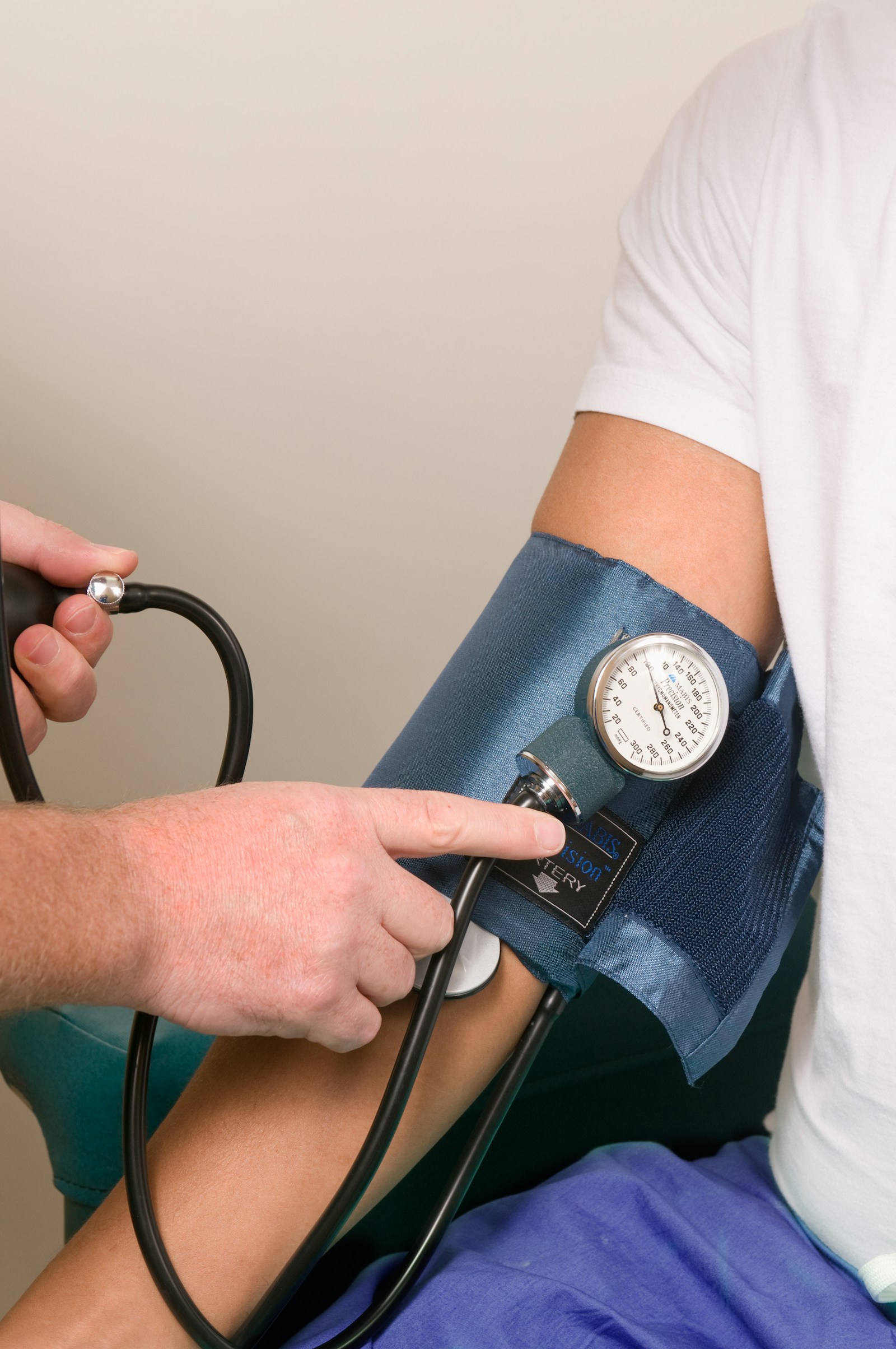
Regular or continuous blood pressure monitoring tracks cardiovascular stability throughout the procedure and recovery period.
Body Temperature
Particularly important in paediatric cases, where children are more vulnerable to temperature changes during longer procedures than adults.
Emergency Resuscitation Equipment
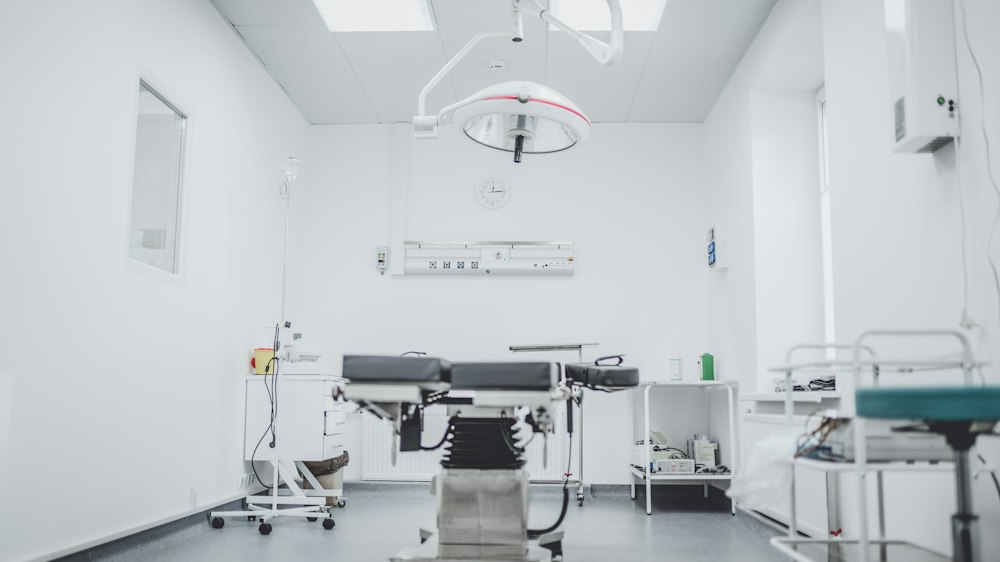
Full crash cart, paediatric-sized airway equipment, and emergency medications immediately available in the procedure room — not in a separate location.
This is not a list unique to India — it is the baseline standard for paediatric anaesthesia anywhere in the developed world. The legitimate question for any clinic, in any country, is whether they can demonstrate this equipment is present and used consistently. Ask to see it. A clinic confident in its standards will show you.
Emergency Protocols —
What Happens If There’s a Complication?
Every parent considering GA — in any country — deserves a direct answer to this question, not a reassurance that avoids it. Here is what a properly run paediatric dental GA setting has in place:
- 01
Hospital-Based or Hospital-Affiliated Setting
Paediatric GA dental treatment should take place in a hospital or a facility with direct, immediate access to hospital-level emergency resources — not a standalone dental chair with no escalation pathway.
- 02
Immediate Resuscitation Capability
Emergency airway equipment, resuscitation drugs, and a trained team capable of managing an anaesthetic emergency are present in the room — not summoned from elsewhere after a delay.
- 03
Pre-Defined Escalation Pathway
A clear, rehearsed protocol for what happens if a complication arises — who is called, where the child is transferred if needed, and how quickly that can happen.
- 04
Anaesthesiologist Remains Until Discharge-Ready
The anaesthesiologist does not leave once the dental procedure ends — they remain responsible for your child’s recovery until vital signs are stable and your child is alert enough for safe discharge.
- 05
Parents Are Informed, Not Shielded
If anything unexpected occurs during or after the procedure, you are told directly and promptly — not given a vague summary after the fact.
“We have never asked a parent to simply trust us. We expect to be asked hard questions, and we expect to answer them clearly — before you book a single flight.”
— Tarasha Dental Clinic, Clinical TeamIndia vs USA / UK / Canada:
Paediatric Sedation Standards
This is not a claim that every clinic in India meets these standards — just as not every clinic in the USA does. It is a comparison of what an AIIMS-trained facility like Tarasha follows, against the standards you would expect at home.
| Standard | USA / UK / Canada (Accredited Centres) | Tarasha Dental Clinic (India) |
|---|---|---|
| Anaesthesiologist Separate from Dentist | Yes — standard requirement | Yes — standard requirement |
| Continuous SpO₂, ECG, Capnography | Yes | Yes |
| Pre-Op Medical Assessment | Yes — mandatory | Yes — mandatory |
| Hospital or Hospital-Affiliated Setting | Yes | Yes |
| Emergency Resuscitation On-Site | Yes | Yes |
| Written Pre-Op Consent & Discussion | Yes | Yes |
| Specialist Training Pathway | Board-certified anaesthesiology | MD/DA Anaesthesiology, AIIMS-affiliated training |
| Cost (Paediatric GA Dental Session) | $8,000 – $15,000 | $960 – $2,640 (75–85% lower) |
The clinical protocols that determine safety — separate anaesthesiologist, continuous monitoring, hospital setting, emergency readiness — are not different at a properly run Indian facility. What is different is the cost structure: lower facility overheads, lower staffing costs, and a different healthcare economy. That is what allows the price difference, not a difference in the standard of care. See why international families trust us for GA treatment ↗
You Should Never Have to
Trust Us on Faith

Trust is not something we ask for — it is something we try to earn before you have spent a single dollar on flights. Here is exactly what that process looks like:
- Send your child’s dental and medical history via WhatsApp — X-rays, photographs, any existing medical conditions, prior anaesthesia experiences if any
- A free Zoom consultation with the paediatric dentist — not a sales call, a clinical conversation about whether GA is genuinely indicated for your child’s case
- Direct access to ask the anaesthesiologist questions — you are entitled to ask about their qualifications, experience, and the specific monitoring protocols that will be used
- A written, honest answer if GA is not indicated — we will tell you directly if your child’s case is better suited to conscious sedation or staged conventional treatment instead
- No GA is confirmed without a full pre-operative clinical assessment — this happens before you travel and is reconfirmed on arrival
If at any point in this process you do not feel confident, that is valuable information — not something to push past. The right clinic for your child’s care is one where every question is answered clearly, not deflected.
Why AIIMS Training Matters
for a GA Dental Case
For most treatments, a credential is a nice-to-have. For a procedure involving general anaesthesia on a child, it is the single most important piece of information you can verify before booking flights.
India’s Most Rigorous Training
AIIMS New Delhi is consistently ranked India’s top medical institution. Its post-graduate training in paediatric dentistry and anaesthesiology is recognised internationally for its clinical depth.
Complex Case Exposure
AIIMS-trained clinicians complete their training managing medically complex paediatric cases at a volume few private institutions match — experience that directly translates to confident case selection and management.
Evidence-Based Practice Culture
Decisions about GA suitability follow clinical evidence, not convenience or commercial pressure — a culture instilled through rigorous post-graduate training.
Verifiable, Not Self-Declared
AIIMS credentials are independently verifiable — you do not have to take our word for it. We encourage parents to ask for and check these qualifications directly.
Questions to Ask Any Clinic
Before You Book Flights for GA Treatment
Whether you choose Tarasha or another clinic, ask these questions before committing. A clinic confident in its standards will welcome them.
- Who specifically will administer the anaesthesia, and what are their qualifications?
- Where does the procedure take place — a hospital, a hospital-affiliated facility, or a standalone dental chair?
- What monitoring equipment is used — SpO₂, ECG, capnography, blood pressure, temperature?
- What is the emergency escalation plan if a complication arises during or after the procedure?
- Can I speak with the anaesthesiologist directly before confirming my child’s case?
- What happens if my child’s case is not suitable for GA after pre-operative assessment — is there an honest alternative offered?
- What documentation will I receive for my home dentist or paediatrician after treatment?
For NRI families researching this from the USA, UK, Canada, UAE, or Australia, every answer on this page reflects the same protocols followed at Tarasha Dental Clinic, Lajpat Nagar I, South Delhi — an AIIMS Alumni initiative serving local South Delhi families and international patients at the same clinical standard, with no separate “tourist” tier of care.
Quick Answers for
NRI Parents Considering GA Treatment in India
Is GA dental treatment safe for kids in India?
At AIIMS-trained clinics, yes — the same monitoring and safety protocols used in the USA, UK, and Canada are followed: separate anaesthesiologist, continuous monitoring, hospital setting, emergency readiness.
Who administers GA for kids dental treatment?
A dedicated paediatric anaesthesiologist — a medical doctor separate from the dentist — manages the anaesthesia from pre-operative assessment through to recovery.
What monitoring is used during paediatric dental GA?
Continuous oxygen saturation, ECG, capnography, blood pressure, and temperature monitoring — the same standard used in accredited paediatric anaesthesia settings worldwide.
Is India’s GA dental safety standard the same as the USA?
At properly accredited facilities — yes, the clinical protocols are equivalent. The cost difference reflects operational economics, not a difference in safety standard.
Can I speak to the anaesthesiologist before travelling?
Yes — a transparent clinic will arrange this. At Tarasha, parents can discuss the anaesthesiologist’s qualifications and protocols directly via Zoom before booking flights.
What if GA is not suitable for my child?
A trustworthy clinic will tell you honestly after pre-operative assessment and offer an appropriate alternative — conscious sedation or staged conventional treatment — rather than proceeding regardless.
GA Safety FAQs for
NRI & International Parents
The exact questions parents ask before deciding whether to bring their child to India for GA dental treatment — answered without marketing language.
-
General anaesthesia carries inherent risks anywhere in the world — that does not change by country. What determines safety is whether the facility follows proper protocols: a separate qualified anaesthesiologist, continuous vital sign monitoring, a hospital or hospital-affiliated setting, and emergency readiness. At AIIMS-trained clinics like Tarasha, these protocols match those followed at accredited paediatric centres in the USA, UK, and Canada. The right approach is to verify these specifics directly with any clinic you are considering, in any country.
-
A dedicated paediatric anaesthesiologist — a medical doctor separate from the dental team — is responsible for your child’s anaesthesia from pre-operative assessment through to safe discharge. This professional has independent clinical authority and can postpone or decline a case if their assessment raises any concern, regardless of your travel arrangements.
-
Continuous monitoring of oxygen saturation (SpO₂), heart rate and ECG, end-tidal CO₂ (capnography), blood pressure, and body temperature — the same standard equipment used in accredited paediatric anaesthesia settings in the USA, UK, and Canada. Full emergency resuscitation equipment is also present in the procedure room.
-
A properly run paediatric dental GA facility operates in a hospital or hospital-affiliated setting with immediate access to emergency resuscitation equipment and a defined escalation pathway. The anaesthesiologist remains responsible for your child until they are stable and ready for safe discharge, and parents are informed directly and promptly of any unexpected events during the procedure.
-
At accredited, AIIMS-trained facilities, the clinical protocol — separate anaesthesiologist, continuous monitoring, hospital setting, emergency readiness, written pre-operative consent — is equivalent to the standard followed at accredited centres in the USA, UK, and Canada. The significant cost difference (typically 75–85% lower) reflects India’s lower operational and staffing costs, not a difference in the clinical safety standard.
-
Yes, at Tarasha. Parents are encouraged to discuss the anaesthesiologist’s qualifications, the specific monitoring protocols, and any questions about their child’s case via a free Zoom consultation before committing to flights or any payment. This direct access is part of how trust is established before international families travel.
-
A trustworthy clinic will tell you honestly if pre-operative assessment raises concerns, and will recommend an appropriate alternative — conscious sedation, staged conventional treatment, or referral for further medical evaluation — rather than proceeding regardless of travel plans already made. At Tarasha, no GA case proceeds without the anaesthesiologist’s clinical approval.
-
For a procedure involving anaesthesia on a child, clinical training depth matters more than for most other treatments. AIIMS New Delhi is India’s most rigorous medical training institution, and its graduates complete training managing complex paediatric cases at a volume and standard that directly translates to confident, evidence-based case selection. This credential is independently verifiable — parents are encouraged to check it themselves.
The Right Decision Starts
with Honest Answers, Not Reassurance.
If you still have questions after reading this — that is exactly as it should be. Send us your child’s case via WhatsApp and ask the anaesthesiologist directly. We would rather answer every question now than have you arrive with any doubt unresolved.
General Anaesthesia · Paediatric Dentistry · International Patient Care
Tarasha Dental Clinic · An Initiative by AIIMS Alumni
SCO 2&3, D-177, Railway Crossing, Lajpat Nagar I, New Delhi – 110024
Mon – Sat: 10:30 am – 8:00 pm · tarashadental.com