Tarasha Dental Clinic: Best Dental Services in Lajpat Nagar

- Home
- About
-
Treatments
CosmeticImplants & Restorative
- Our Doctors
- Blogs
- Gallery
- Contact
Kids Root Canal Treatment in South Delhi —
Save Your Child’s Natural Smile
An infected baby tooth does not always have to be removed. Kids Root Canal Treatment — Pulpotomy or Pulpectomy — can eliminate infection, relieve pain, and preserve the natural tooth until it falls out on its own. Gentle, child-friendly treatment by Dr. Anju Singh Rajwar, MDS Paediatric Dentistry, AIIMS New Delhi.
What Is Kids Root Canal Treatment?
Kids Root Canal Treatment (Pulpotomy or Pulpectomy) is a paediatric dental procedure that removes infection from a baby tooth, relieves pain, and preserves the natural tooth. Unlike extraction, it keeps the tooth in place to support proper chewing, speech development, jaw growth, and guides the permanent tooth into the correct position. It is performed under local anaesthesia and is not painful for the child during the procedure.
Why Baby Teeth Are
More Important Than Most Parents Know
“It’s just a milk tooth — it will fall out anyway.” This is the most common reason parents delay treatment for an infected baby tooth — and it is also the most consequential misunderstanding in paediatric dentistry.
Baby teeth (primary teeth) are not placeholders. They perform critical biological and developmental functions that directly affect your child’s long-term oral health, and losing them prematurely — through extraction of an infected tooth — can create problems that persist into adulthood.
- Chewing and nutrition — baby molars bear the full force of chewing for years. Premature loss of a back tooth forces children to favour one side, affecting nutrition and jaw muscle development
- Speech development — front baby teeth are essential for forming “f”, “v”, “th”, and “s” sounds correctly. Early loss creates speech patterns that may require therapy to correct
- Space maintenance — each baby tooth holds a reserved space in the jaw for the permanent tooth beneath it. When a baby tooth is lost too early, adjacent teeth drift into the gap, blocking the permanent tooth and creating crowding that almost always requires orthodontic correction
- Jaw development and bone stimulation — the roots of baby teeth stimulate the underlying jaw bone. Premature loss reduces this stimulation and can affect the jaw’s development in that area
- Psychological impact — visible gaps from early tooth loss, particularly in the front, affect a child’s confidence and willingness to smile — especially during school years
The American Dental Association and India’s paediatric dental guidelines consistently recommend preserving infected baby teeth through root canal treatment rather than extraction when the tooth is structurally viable and the permanent successor is not yet ready to erupt.
What Is Kids Root Canal Treatment?
Pulpotomy vs Pulpectomy — Simply Explained
When decay reaches the inner living tissue of a baby tooth — the dental pulp, which contains nerves and blood vessels — the infection must be treated to save the tooth. Kids Root Canal Treatment is the collective term for two specific procedures depending on how far the infection has spread: Pulpotomy and Pulpectomy.
What Is the Difference Between Pulpotomy and Pulpectomy?
A Pulpotomy removes only the infected pulp from the crown (top) of the tooth while leaving healthy pulp in the roots intact. A Pulpectomy removes all pulp tissue from both the crown and the root canals, used when infection has spread throughout the tooth. Pulpotomy is less invasive and used for partial infection; Pulpectomy is the complete version used for total pulp involvement.
| Factor | Pulpotomy | Pulpectomy |
|---|---|---|
| Also Called | Partial / Coronal Root Canal | Complete / Total Root Canal |
| Infection Level | Limited to crown (coronal pulp) | Extended to root canals as well |
| Pulp Removed | Crown pulp only — root pulp preserved | All pulp tissue — crown + all root canals |
| Tooth Condition | Partial pulp necrosis or reversible pulpitis | Total pulp necrosis or irreversible pulpitis |
| Canal Filling | Medicated dressing (MTA or ZOE) | Resorbable root filling material (ZOE paste) |
| Crown After | Stainless Steel Crown or Zirconia Crown | Stainless Steel Crown or Zirconia Crown |
| Visits Required | Usually 1–2 visits | Usually 2–3 visits |
| Pain During? | No — performed under local anaesthesia | No — performed under local anaesthesia |
| Success Rate | High (85–95%) | High (80–90%) |
| Best For | Deep cavity with early pulp involvement | Abscess, pain, severe decay, total pulp death |
When Does a Child
Need Kids Root Canal Treatment?
Kids Root Canal Treatment is recommended when decay or trauma has reached the dental pulp of a baby tooth. The decision is made based on clinical examination and digital X-ray findings — not simply based on symptoms, because many children with significant pulp involvement do not complain of pain until the infection is advanced.
Deep Cavities
When tooth decay has extended through the enamel and dentine into or near the pulp. The child may or may not have symptoms at this stage, which is why X-rays matter.
Dental Infection / Abscess
Visible swelling near a tooth, a “pimple” on the gum (sinus tract/fistula), or pus discharge indicates the infection has spread to the surrounding bone and requires immediate treatment.
Spontaneous / Night Pain
Pain that starts on its own — particularly at night — without any obvious stimulus typically indicates the pulp is irreversibly inflamed and requires root canal treatment.
Trauma to Baby Teeth
Falls, sports injuries, or accidents that cause fractures, displacement, or intrusion of baby teeth can injure the pulp even without visible decay.
Sensitivity to Hot or Cold
Lingering sensitivity (pain that continues after the hot or cold stimulus is removed) indicates pulp inflammation that has moved beyond the reversible stage.
Darkened or Discoloured Tooth
A baby tooth that has turned dark grey or brown compared to adjacent teeth may have undergone pulp necrosis (pulp death) following decay or trauma.
Swelling Around the Tooth
Localised or facial swelling around a specific tooth indicates spreading infection that requires urgent assessment and treatment.
Extensive Decay Requiring Crown
When a baby tooth has extensive structural damage requiring a crown, a pulpotomy is often performed as part of the same appointment to protect the pulp before crown placement.
Signs Your Child May Need
Kids Root Canal Treatment
What Are the Signs a Child Needs a Root Canal?
Signs a child may need Kids Root Canal Treatment include: toothache or spontaneous pain (especially at night), swollen gums near a tooth, facial swelling, a pimple-like bump on the gum, pus discharge, bad breath from one area, difficulty eating on one side, tooth discolouration (dark/grey tooth), and persistent sensitivity to hot or cold food. Any of these in a child warrants same-day or next-day dental assessment.
- Toothache — persistent or spontaneous pain in a specific tooth, not triggered by obvious causes
- Night pain — waking up at night due to tooth pain is a classic sign of irreversible pulp involvement
- Swollen gums — visible swelling or redness around a specific baby tooth
- Facial swelling — any swelling of the cheek or jaw requires same-day urgent assessment
- Difficulty eating — child avoids eating on one side or refuses certain foods due to tooth sensitivity or pain
- Bad breath — persistent bad breath originating from a specific area of the mouth, not resolved by brushing
- Gum pimple / sinus tract — a small “pimple” near the gum of a baby tooth that may come and go, sometimes discharging pus
- Tooth discolouration — a baby tooth that has turned noticeably darker than neighbouring teeth
- Pus discharge — any visible pus from around a tooth requires urgent dental assessment and should not be managed with antibiotics alone
- Sensitivity to hot or cold — lingering sensitivity (not brief) after eating ice cream or warm food
“Many children with infected baby teeth do not show obvious pain — particularly very young children who may not be able to articulate what they feel. A single swollen gum, one avoided food, or a briefly mentioned toothache is enough reason to bring your child in for a digital X-ray. Early diagnosis makes the difference between a simple pulpotomy and an extraction.”
— Dr. Anju Singh Rajwar, MDS Paediatric Dentistry, AIIMS New DelhiBenefits of Kids Root Canal Treatment
Over Extraction
Kids Root Canal Treatment:
Step-by-Step Procedure
Understanding exactly what happens during Kids Root Canal Treatment helps parents prepare their child confidently and reduces anxiety for both parent and child on the day.
Paediatric Consultation & Clinical Examination
Dr. Anju examines the affected tooth, checks your child’s medical history, and assesses anxiety level and cooperation. A child-friendly explanation of what will happen is given in age-appropriate language. No instruments are used in this first step — just conversation and a gentle look.
Digital X-Ray
A digital periapical X-ray of the affected tooth is taken to assess the extent of decay, the condition of the pulp, the root length, and the proximity of the permanent tooth bud beneath. This determines whether a pulpotomy or pulpectomy is required.
Behaviour Management & Preparation
Our paediatric team uses evidence-based behaviour management techniques — Tell-Show-Do, positive reinforcement, distraction — to ensure the child is comfortable and cooperative before any instruments are introduced. For very anxious children, conscious sedation or GA may be recommended (see Section 8).
Local Anaesthesia
Topical anaesthetic gel is applied to the gum first (so the injection is not felt), followed by local anaesthetic injection. The tooth and surrounding area is completely numb before any treatment begins. Children typically say they feel “nothing” or “pressure but no pain” during the procedure.
Infection Removal (Pulpotomy or Pulpectomy)
For a Pulpotomy: the infected coronal pulp is removed using rotary paediatric endodontic instruments. A medicated dressing (MTA or ZOE) is placed on the remaining healthy root pulp. For a Pulpectomy: all pulp tissue is removed from crown and root canals, which are shaped and cleaned, then filled with a resorbable material that resorbs naturally as the permanent tooth erupts.
Crown Placement
A Stainless Steel Crown (SSC) or Zirconia Crown is placed over the treated tooth to protect it, restore full chewing function, and prevent fracture of the now-weakened tooth structure. Crown placement usually happens in the same appointment as the root canal treatment.
Post-Treatment Instructions
Written aftercare instructions are provided. The child should avoid eating until the anaesthesia wears off (usually 1–2 hours). Mild tenderness for 1–2 days is normal and managed with standard children’s paracetamol dosage. Normal eating and school are resumed the next day in most cases.
Follow-Up Visit
A follow-up clinical check and digital X-ray is scheduled (typically at 3–6 months) to verify healing, crown integrity, and the progress of the underlying permanent tooth. Long-term monitoring is part of the treatment programme.
Stainless Steel Crown vs Zirconia Crown
After Kids Root Canal Treatment
After a Pulpotomy or Pulpectomy, the treated baby tooth requires a crown. This is not optional — a baby tooth that has undergone root canal treatment is significantly weakened and will fracture under normal chewing forces without crown protection. At Tarasha, we offer two crown options for children.
Stainless Steel Crown (SSC)
A pre-formed metal crown that fits over the entire baby tooth. Placed in a single appointment. Extremely durable, long-lasting, and highly resistant to fracture — making it the global standard for baby molar restoration after pulp treatment. Silver in colour, so it is more noticeable in the front of the mouth. For back baby molars, SSC is the most clinically proven and recommended option. See our crowns guide ↗.
Zirconia Crown (White Crown)
A tooth-coloured ceramic crown made from zirconia, offering the aesthetics of a natural tooth with high strength. Particularly preferred for front baby teeth (visible when smiling) or for parents who prefer a natural appearance on back teeth. Zirconia crowns are more expensive than SSC and require slightly more tooth preparation, but provide excellent aesthetics and durability. Increasingly recommended at Tarasha for anterior teeth and cosmetically sensitive cases.
Why Is a Crown Necessary After Kids Root Canal Treatment?
After pulpotomy or pulpectomy, a baby tooth has significantly reduced structural integrity. A crown — either Stainless Steel or Zirconia — protects the tooth from fracture during normal chewing, seals the treated area to prevent re-infection, restores the full shape of the tooth, and allows the tooth to function normally until it naturally falls out at the right time.
Kids Root Canal Under Sedation
or General Anaesthesia
Most children tolerate Kids Root Canal Treatment well under local anaesthesia with appropriate behaviour management. However, some children — particularly very young children, those with significant dental anxiety, or those needing multiple teeth treated — may be better managed under Conscious Sedation or General Anaesthesia. This decision is made carefully, with the child’s safety and best clinical outcome as the primary consideration.
Behaviour Management Alone
Tell-Show-Do, positive reinforcement, voice control, and distraction techniques. Suitable for most cooperative children aged 3+ with mild to moderate anxiety. No medication involved.
Conscious Sedation
Oral or nitrous oxide sedation to reduce anxiety while the child remains awake and responsive. Suitable for moderately anxious children who are cooperative but need additional relaxation. Involves dedicated sedation assessment ↗.
General Anaesthesia (GA)
Complete dental rehabilitation under GA for very young children (under 3), children with high dental anxiety, special healthcare needs, or those requiring extensive multi-tooth treatment. Our Kid Smile in One Day programme ↗ completes all dental needs in one GA session. Separate qualified anaesthesiologist present throughout. See GA dental guide ↗.
Sedation or GA is recommended only after a thorough pre-operative evaluation by Dr. Anju. The least invasive approach that allows safe, effective treatment is always the recommendation. GA is never used as a convenience measure.
Why Choose Tarasha Dental Clinic
for Your Child’s Root Canal?
Kids Root Canal Treatment demands a very specific combination of clinical expertise and behavioural skill. The procedure itself requires paediatric endodontic training. The child management requires a specialist who understands child psychology and anxiety at different developmental stages. At Tarasha, these are not separate competencies — they are trained together under the MDS Paediatric Dentistry curriculum at AIIMS New Delhi.
- Dr. Anju Singh Rajwar — MDS Paediatric Dentistry, Senior Residency AIIMS — India’s foremost medical institution. Specialist paediatric training includes high-volume complex child cases that general dental graduates do not encounter. Full profile ↗
- Child-friendly clinical environment — the treatment area is designed to reduce anxiety. Child-appropriate explanation, distraction, and positive reinforcement are used from the first moment
- Rotary paediatric endodontics — modern rotary instruments for faster, cleaner, less traumatic pulp removal compared to hand-file techniques
- Digital X-rays — lower radiation dose than conventional X-rays, with instant high-resolution images for accurate diagnosis
- Stainless Steel and Zirconia crowns — both options available in-house in the correct paediatric sizes
- Conservative treatment philosophy — we never recommend extraction when a tooth can be saved, and we never recommend GA when behaviour management or sedation is adequate
- Parents always briefed — complete explanation of findings, treatment plan, and what was done, every visit. No surprises
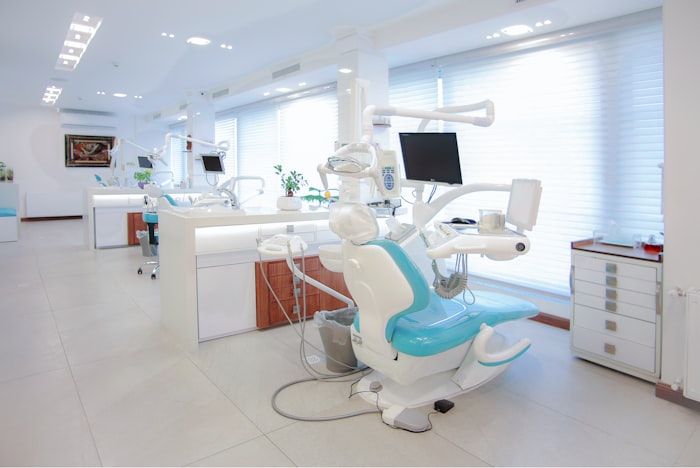
Advanced Paediatric Technology
at Tarasha Dental Clinic
Digital X-Rays
Lower radiation than conventional X-rays. Instant high-resolution images on screen. Child-friendly sensor size. Essential for accurate pulp assessment and crown-root ratio evaluation.
Rotary Paediatric Endodontics
Flexible nickel-titanium rotary instruments sized for primary tooth canals. Faster, more comfortable, and more thorough than conventional hand filing.
WHO-Compliant Sterilisation
Class B autoclave sterilisation, single-use instruments where indicated, and hospital-grade infection control between every patient.
Child-Friendly Equipment
Paediatric-sized instruments, child-appropriate topical anaesthetic gels, flavoured materials, and patient-centred treatment chairs designed to minimise anxiety.
Behaviour Management
Evidence-based Tell-Show-Do, distraction, voice modulation, and positive reinforcement. Techniques selected to the individual child’s age, anxiety level, and cooperation ability.
Evidence-Based Protocols
Treatment follows current guidelines from the Indian Society of Pedodontics & Preventive Dentistry (ISPPD) and international paediatric dental bodies.
Kids Root Canal Treatment in India —
For NRI & International Families
International families and NRIs from the USA, UK, Canada, UAE, and Australia regularly bring their children for comprehensive paediatric dental care at Tarasha during India visits. The combination of AIIMS Alumni specialist expertise, significantly lower cost, and English-speaking care makes Delhi a preferred choice — especially for complex cases like GA-based dental rehabilitation that can cost $12,000–$18,000 USD in the USA and is completed here at 80–90% lower cost.
AIIMS Alumni Paediatric Specialist
Dr. Anju Singh Rajwar’s training at AIIMS New Delhi is equivalent to the highest specialist paediatric dental training available internationally. NRI parents accustomed to board-certified US paediatric dentists find the clinical standard directly comparable.
Pre-Travel WhatsApp Planning
Send your child’s dental records, X-rays, and clinical reports on WhatsApp before you fly. Dr. Anju reviews the case and provides a detailed treatment plan and cost estimate in your home currency before you commit to travel.
Complete Treatment in One Visit
For children needing extensive dental work under GA, our Kid Smile in One Day programme ↗ completes all required root canals, crowns, fillings, and extractions in a single GA session — minimising India visits needed.
Kids Root Canal Treatment: India vs USA Cost
| Treatment Component | India — Tarasha (Approx.) | USA (Approx.) | UK (Approx.) |
|---|---|---|---|
| Paediatric Specialist Consultation | Significantly lower | $150 – $300 | £80 – £200 |
| Digital Periapical X-ray | Significantly lower | $50 – $150 | £30 – £80 |
| Pulpotomy (per tooth) | Save 70–80% | $300 – $700 | £200 – £450 |
| Pulpectomy (per tooth) | Save 70–80% | $400 – $1,000 | £300 – £600 |
| Stainless Steel Crown | Save 70–80% | $300 – $600 | £200 – £400 |
| Zirconia Crown (Child) | Save 70–80% | $500 – $1,200 | £350 – £700 |
| GA Session (full rehabilitation) | Save 80–90% | $8,000 – $18,000 | £5,000 – £12,000 |
| Typical Wait Time | Days | 4–8 weeks | 8–18 weeks NHS |
| Overall Savings | 50–80% | Depending on complexity & number of teeth | |
* Tarasha costs confirmed at your free online consultation. USA/UK figures based on published paediatric dental average fees. For international families: see our full international patient programme ↗.
NRI or International Family?
WhatsApp Your Child’s Records for a Free Assessment.
Send your child’s X-rays and a brief description of the problem. Dr. Anju will review and respond with a complete treatment plan and cost estimate within 24 hours — before you book flights.
Kids Root Canal Treatment
in the Heart of South Delhi
Tarasha Dental Clinic proudly provides specialist paediatric dental care — including Kids Root Canal Treatment — to families from Lajpat Nagar, Defence Colony, Amar Colony, South Extension, Jangpura, Greater Kailash, East of Kailash, Nehru Place, Moolchand, and across South Delhi and South-East Delhi.
We are located at SCO 2&3, D-177, Railway Crossing, Lajpat Nagar I, New Delhi – 110024 — easily accessible from the Lajpat Nagar and Moolchand Metro stations on the Delhi Metro Violet Line, and within 15 minutes of most South Delhi neighbourhoods.
Recovery & Aftercare
After Kids Root Canal Treatment
Immediately After Treatment
- Wait for anaesthesia to wear off before giving your child anything to eat or drink (usually 1–2 hours). The numb area can be bitten accidentally
- Soft foods only for the first 24 hours — avoid hard, crunchy, or very sticky foods that could dislodge the crown
- Mild tenderness is normal for 1–2 days and is managed with appropriate children’s paracetamol (as advised by the doctor)
- School next day — most children return to full activity the next morning with no restrictions
- Call us if the child develops worsening pain, facial swelling, or the crown comes off
Long-Term Oral Health
- Brush twice daily with fluoride toothpaste — the treated tooth and crown require the same care as all other teeth
- Avoid very sticky sweets that can pull at the crown margin over time
- 6-monthly check-ups to monitor the crown, the treated tooth, and the development of the permanent successor
- X-ray at follow-up typically at 3–6 months to verify bone healing and pulp response
- Diet counselling to reduce risk of decay on other baby teeth
Quick Answers —
Kids Root Canal Treatment
What is Kids Root Canal Treatment?
Kids Root Canal Treatment (Pulpotomy or Pulpectomy) removes infection from inside a baby tooth, relieves pain, and preserves the tooth. It supports chewing, speech, and guides the permanent tooth into the correct position.
Why should baby teeth be saved?
Baby teeth hold space for permanent teeth, support speech development, enable chewing, stimulate jaw bone, and prevent orthodontic crowding. Early loss often requires space maintainer appliances and increases future treatment complexity.
Is Root Canal painful for children?
No — Kids Root Canal Treatment is performed under local anaesthesia. Children typically report feeling nothing or only pressure during the procedure. Post-procedure tenderness for 1–2 days is mild and managed with children’s paracetamol.
When is a Stainless Steel Crown needed?
After every Pulpotomy or Pulpectomy. The treated baby tooth loses structural integrity and will fracture without crown protection. SSC is the global standard for back baby molars; Zirconia crowns are used for front teeth or when aesthetics is preferred.
Can anxious children receive sedation?
Yes. Tarasha offers Conscious Sedation (oral or nitrous oxide) for moderately anxious children, and General Anaesthesia via the Kid Smile programme for very young children or extensive dental needs requiring complete treatment in one session.
Why do international families choose India for kids dentistry?
AIIMS Alumni paediatric specialists, 70–80% cost saving vs USA/UK/Canada, English-speaking team, appointment within days (not weeks), WhatsApp pre-travel planning, and the option to complete all dental work in one GA session during the India visit.
Frequently Asked Questions
Kids Root Canal Treatment South Delhi
-
Kids Root Canal Treatment (Pulpotomy or Pulpectomy) is a paediatric dental procedure that removes infection from inside a baby tooth, relieves pain, and preserves the natural tooth. It prevents premature extraction and supports the child's normal dental development — including chewing, speech, jaw growth, and guiding the permanent tooth into the correct position.
-
Yes — Kids Root Canal Treatment (Pulpotomy and Pulpectomy) is a well-established, evidence-based procedure recommended by the Indian Society of Pedodontics and international paediatric dental organisations. When performed by a trained MDS Paediatric Dentistry specialist using age-appropriate materials and techniques, it is safe, effective, and significantly preferable to premature extraction.
-
No. Kids Root Canal Treatment is performed under local anaesthesia. Topical gel is applied to the gum first to numb the injection site, and the tooth area is completely anaesthetised before any treatment begins. Children typically report feeling pressure but no pain during the procedure. Mild tenderness for 1–2 days afterwards is normal and managed with children's paracetamol.
-
A Pulpotomy removes only the infected pulp from the crown portion of the tooth, leaving healthy root pulp intact — used when infection is limited to the crown. A Pulpectomy removes all pulp tissue from both crown and root canals — used when infection has extended throughout the tooth. Both are followed by crown placement. The treating dentist determines which is required based on X-ray findings and clinical examination.
-
After pulpotomy or pulpectomy, a baby tooth has significantly reduced structural strength and will fracture under normal chewing forces without crown protection. A Stainless Steel Crown (or Zirconia Crown for visible front teeth) protects the treated tooth, seals against re-infection, restores full function, and allows the tooth to last until it naturally falls out at the appropriate age.
-
Yes — in most cases, provided the tooth has sufficient remaining root structure and the infection has not destroyed too much surrounding bone. Pulpotomy or Pulpectomy can save infected baby teeth with high success rates (80–95%). Extraction is recommended only when the tooth is non-restorable or the permanent successor is ready to erupt naturally within a short timeframe.
-
Yes, when administered by a qualified separate medical anaesthesiologist with full continuous monitoring (SpO₂, ECG, capnography, blood pressure, temperature) and proper pre-operative assessment. At Tarasha, GA is never given by the dentist — a dedicated paediatric anaesthesiologist is present throughout every GA session. GA is recommended only when clinically indicated, not as a convenience. See our detailed GA safety guide for full information.
-
A Pulpotomy typically requires 1–2 visits (assessment + treatment, often combined). A Pulpectomy typically requires 2–3 visits. For children requiring multiple teeth treated, GA-based comprehensive treatment in a single session may complete everything in one visit. A follow-up check and X-ray is scheduled at 3–6 months regardless of the approach.
-
AIIMS (All India Institute of Medical Sciences) MDS training in Paediatric Dentistry involves high-volume, complex child dental cases including behaviour management, anxious children, special needs dentistry, GA procedures, and advanced paediatric endodontics — a depth of clinical exposure that few private dental colleges match. AIIMS graduates are trained to both treat the tooth and manage the child — both skills are essential in paediatric dentistry.
-
Tarasha Dental Clinic, SCO 2&3, D-177, Railway Crossing, Lajpat Nagar I, New Delhi – 110024. Led by Dr. Anju Singh Rajwar (MDS Paediatric Dentistry, Senior Residency AIIMS New Delhi). Mon–Sat, 10:30am–8pm. Phone: +91 96259 52590. Serving families from Lajpat Nagar, Defence Colony, Amar Colony, Jangpura, Greater Kailash, East of Kailash, South Extension, Moolchand, Nehru Place, and across South Delhi.
-
Kids Root Canal Treatment can be performed on baby teeth from the time they erupt (typically from 12–18 months for the front teeth, 2–3 years for baby molars). There is no minimum age — treatment is indicated whenever an infected tooth requires it. Very young or anxious children may be managed under GA rather than local anaesthesia alone.
-
An untreated infected baby tooth does not resolve on its own. The infection spreads into the surrounding bone, potentially affecting the developing permanent tooth bud beneath. Spreading infection can cause facial swelling, fever, and in severe cases, systemic spread. Eventually the tooth is lost prematurely, causing space loss and permanent orthodontic consequences. Antibiotics alone do not eliminate dental infection — the source must be treated.
-
Yes — Zirconia Crowns (white/tooth-coloured) are available for baby teeth at Tarasha. They are particularly recommended for front baby teeth or when parents prefer a natural appearance on back teeth. Zirconia crowns are more expensive than Stainless Steel Crowns but offer excellent aesthetics and strength. Both options are available in paediatric sizes.
-
Yes. Tarasha regularly treats children of NRI families from USA, UK, Canada, UAE, and Australia during their India visits. WhatsApp consultation before travel allows Dr. Anju to review existing X-rays and reports, plan treatment, and provide cost estimates in USD, GBP, CAD, or AED. For extensive treatment, the Kid Smile programme completes all work in one GA session. Contact: +91 96259 52590 or via the international patients page.
-
The decision between Pulpotomy and Pulpectomy is made by the treating dentist based on a combination of clinical signs (presence of sinus tract, mobility, pain characteristics, gum condition) and digital X-ray findings (extent of bone loss, root resorption, size of periapical lesion). You cannot determine this without clinical examination — a digital X-ray at the consultation appointment is the essential first step.
-
Pulpotomy has a reported success rate of 85–95% when performed correctly with appropriate materials (MTA or Formocresol) and followed by adequate crown restoration. Pulpectomy success rates range from 80–90%. Success is defined as the treated tooth remaining functional, pain-free, and without X-ray evidence of progressive bone loss until the tooth naturally exfoliates.
-
Yes. Dental anxiety in children is common and is managed through a structured approach. Most anxious children respond well to Tell-Show-Do, gentle pacing, and positive reinforcement under local anaesthesia. For higher anxiety or very young children, Conscious Sedation (oral or nitrous oxide) is available. For severe anxiety or extensive treatment needs, General Anaesthesia via our Kid Smile programme allows complete, comfortable treatment in a single session.
-
No — when performed correctly. Pulpectomy uses resorbable root filling materials specifically chosen because they resorb naturally as the baby tooth root is absorbed during normal exfoliation, without interfering with the developing permanent tooth beneath. The crown placed after treatment also naturally falls out with the baby tooth when the time comes.
-
The cost of Kids Root Canal Treatment at Tarasha Dental Clinic is confirmed at your consultation appointment, as it depends on the specific procedure required (Pulpotomy vs Pulpectomy), the tooth involved, and the type of crown chosen (Stainless Steel vs Zirconia). Please book a consultation or WhatsApp us at +91 96259 52590 for a complete assessment and treatment plan with costs.
-
Call or WhatsApp +91 96259 52590, or use the online appointment form at tarashadental.com/contact-dental-clinic-delhi/. Tarasha Dental Clinic is open Monday to Saturday, 10:30am to 8:00pm. Located at SCO 2&3, D-177, Railway Crossing, Lajpat Nagar I, New Delhi – 110024. Near Lajpat Nagar and Moolchand Metro Stations.
An Infected Baby Tooth Doesn’t
Always Have to Be Removed.
Early diagnosis and timely Kids Root Canal Treatment can relieve your child’s pain, preserve the natural tooth, and protect their smile and development — avoiding the space loss, orthodontic complications, and confidence impact of premature extraction.
Trust the AIIMS Alumni-led paediatric dental team at Tarasha Dental Clinic for gentle, evidence-based kids dental care in South Delhi.
Tarasha Dental Clinic · An Initiative by AIIMS Alumni
SCO 2&3, D-177, Railway Crossing, Lajpat Nagar I, New Delhi – 110024
Mon – Sat: 10:30 am – 8:00 pm · +91 96259 52590
Kids Dentistry ↗ ·
Kid Smile GA Programme ↗ ·
International Patients ↗